In modern industrial production, silicon carbide is extensively used. Pressureless sintering and reaction bonding are two ways to make dense silicon carbide ceramics.
Pressureless sintered silicon carbide (SSiC) is made by densifying SiC powder at high temperature without applying external pressure. It is used for parts such as wear components and mechanical seals.
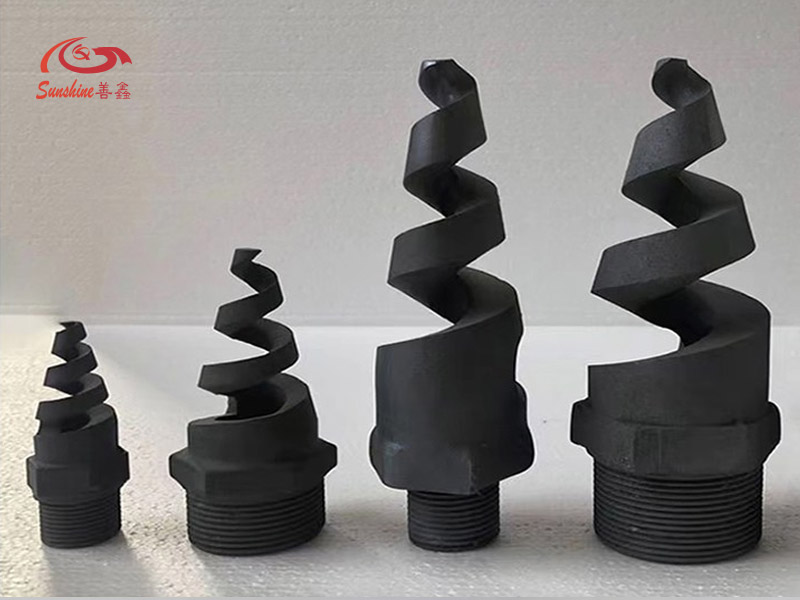
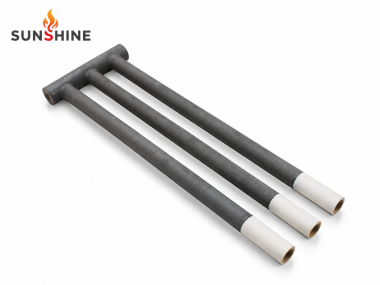
In reaction-bonded silicon carbide (SiSiC), molten silicon infiltrates a porous body and reacts with carbon to form additional SiC. Some free silicon remains. The process is used for parts such as kiln furniture and spray nozzles.
Compare the service temperature, chemical exposure, and wear requirements for the grade you plan to use. The Schunk silicon carbide material guide lists examples of both types.
| Propiedad | Pressureless sintered SiC | Reaction-bonded SiC |
|---|---|---|
| How it is made | SiC powder is sintered without external pressure. | Molten silicon infiltrates a porous body and reacts with carbon. |
| Silicon infiltration | No molten silicon is added by infiltration. | Some free silicon remains after reaction bonding. |
| Typical parts | Wear components and mechanical seals. | Kiln furniture and spray nozzles. |